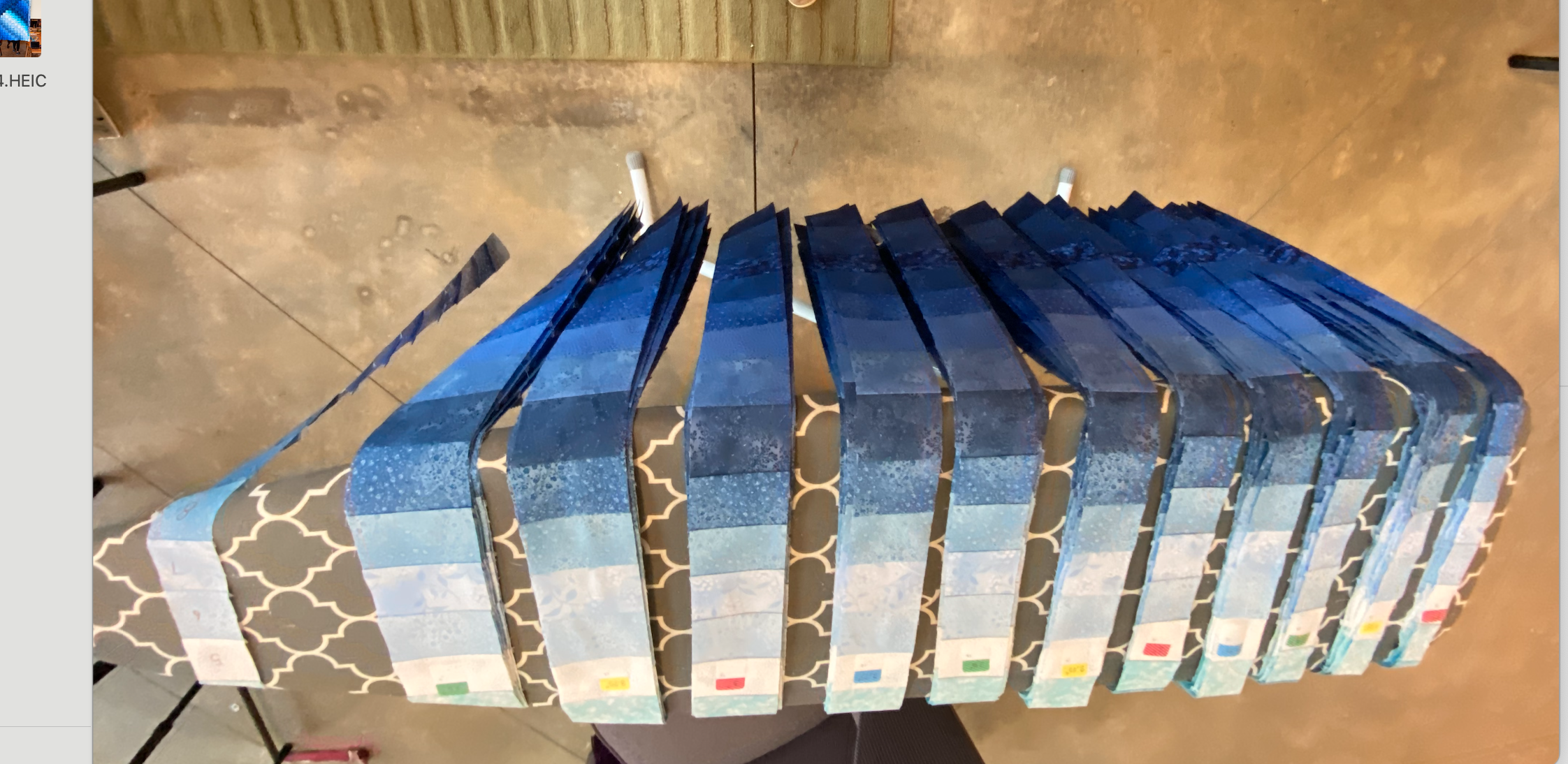
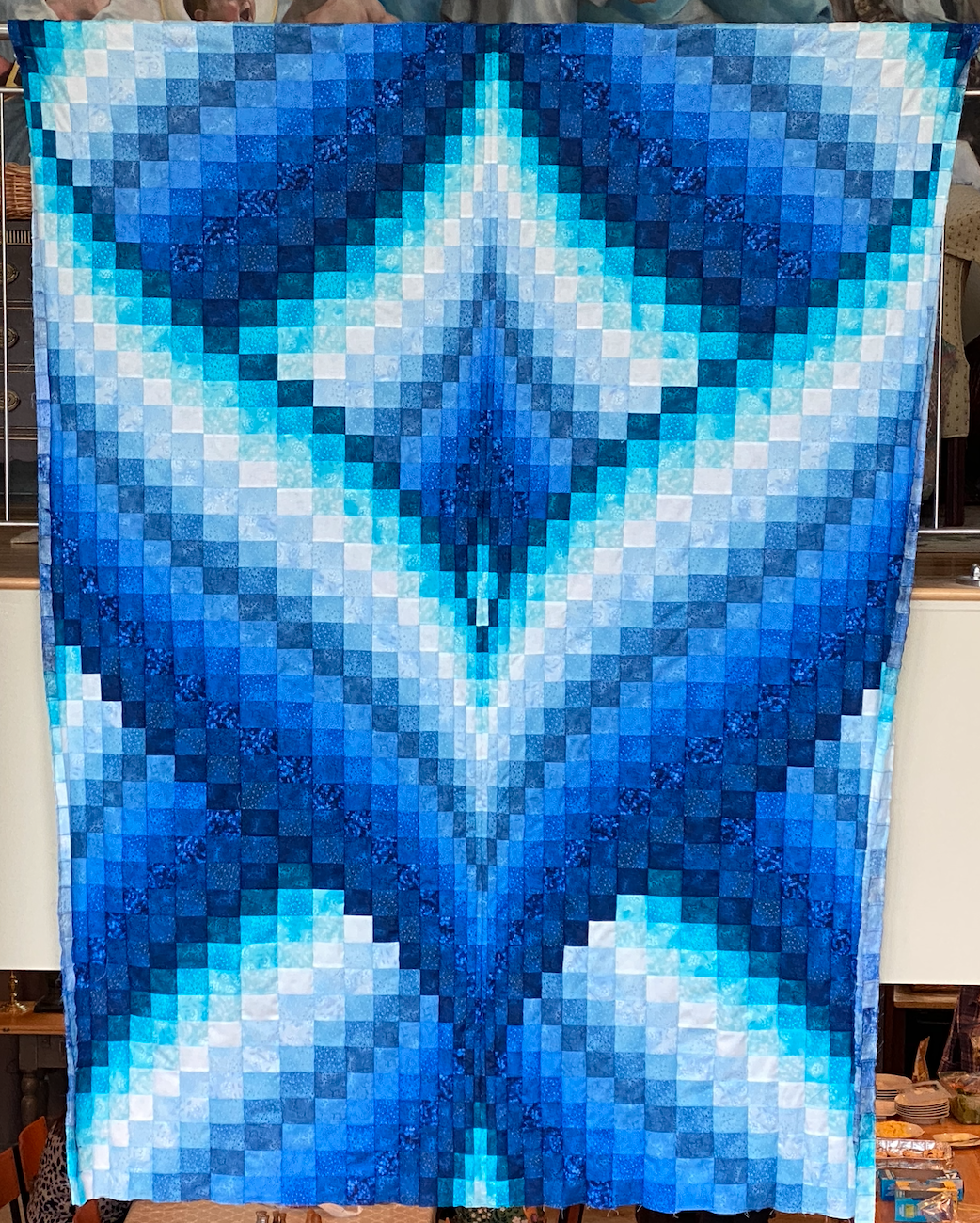
“I’ve always wanted to make a Bargello quilt – here we go!” says stashing sister Bridget. Asked about her favorite color Bridget responded, “Blue. . . mostly. It’s my favorite color and one that I find peaceful”.
“Creating quilts makes my spirit happy, calms my mind, and I love to take little pieces of something, put them together in a pattern and make something beautiful. It also satisfies my detail brain 😊”
Top Pic – Organizing the bargello strips with color coding.
Just like all change that happens, it begins with the one. Then it reaches out to others.
“Quilters affect eternity. They can never tell where their influence stops.” Unknown
Tabitha, also known as Dorcas, a disciple of Jesus, was known for her good works. She became ill and died. Her faithful friends sought Peter the Apostle in a neighboring town. When he arrived, the weeping friends showed him the many coats and garments Tabitha had made. Peter cleared the room of all the people, kneeled down next to the body, and prayed, “Tabitha, arise.” She opened her eyes and sat up. Peter extended his hand and lifted her up. He presented her to the people. (Acts 9) This miracle, this act of Jesus’ power and love, was made known throughout the city, and many believed in the Lord.
If a coat or garment made by a righteous woman can bless and affect the lives of those around her for good. . . and to believe in the Lord, I suppose a quilt made by other righteous women could too. By choice we show love and sometimes that love is manifest and remembered by the work of our hands, even for generations.
The master of love and change didn’t make quilts that we know of, but he gave love by teaching, healing, forgiving. With every work of our hands, with every quilt we make, we too can show love.
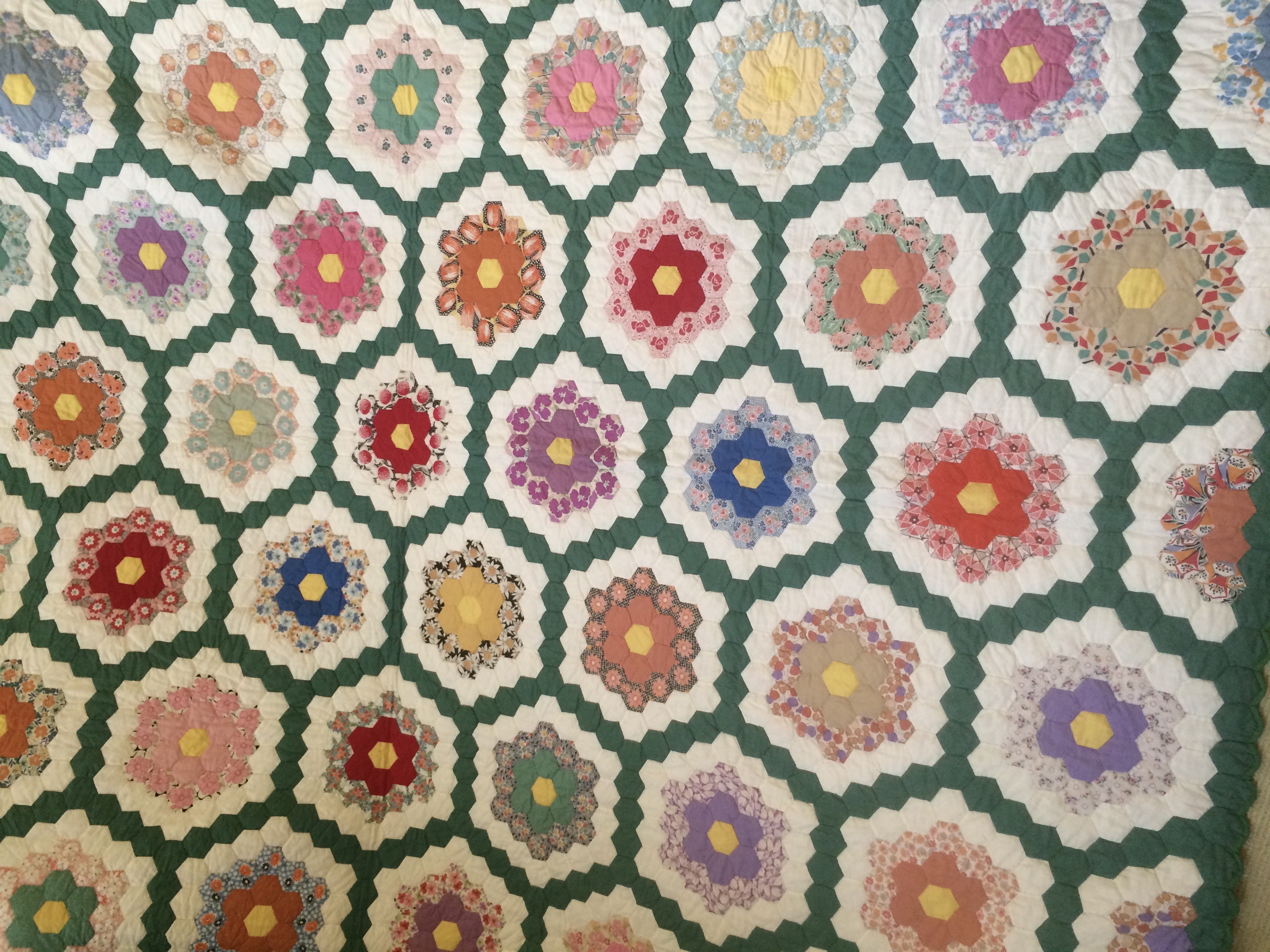
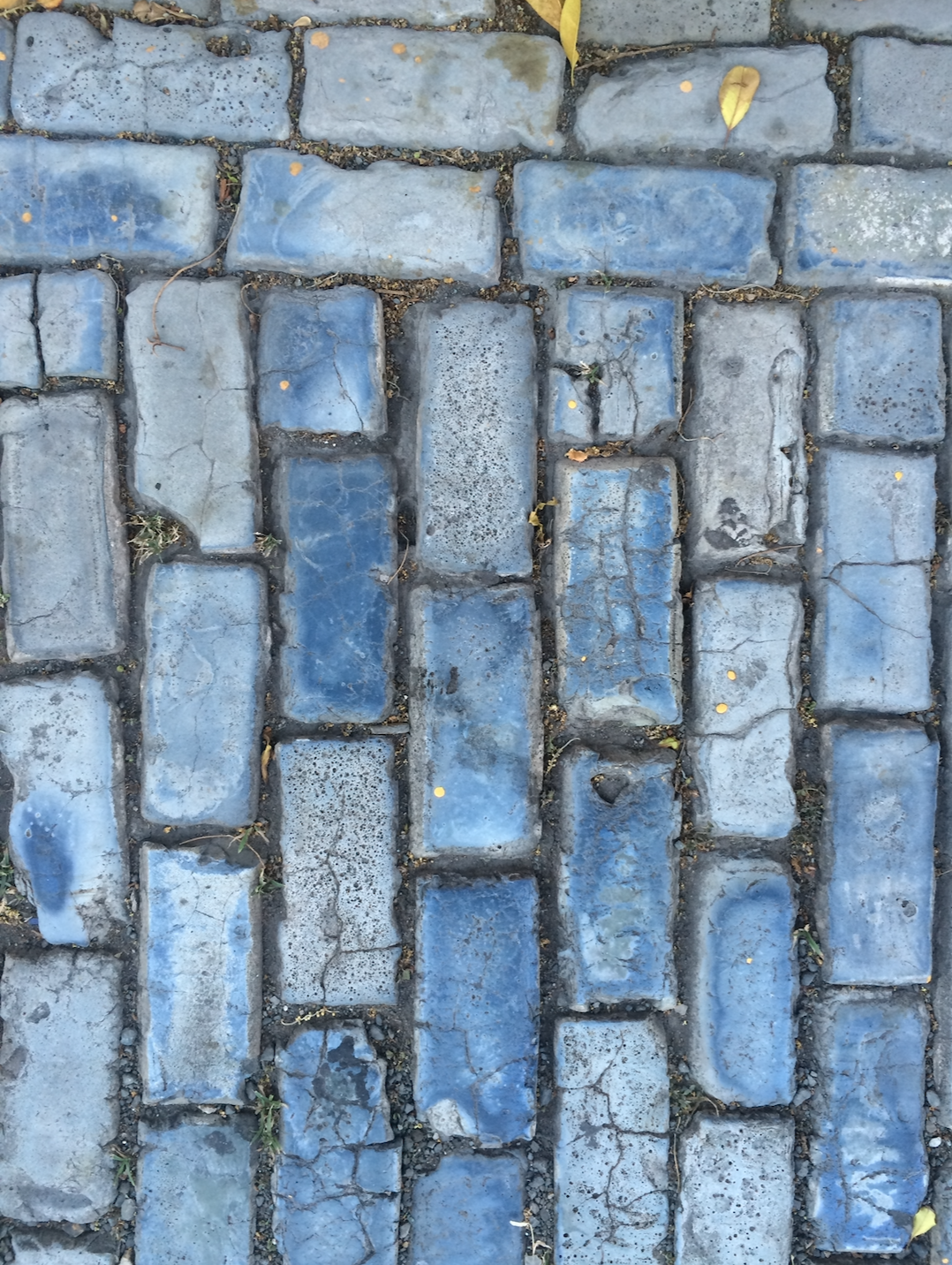
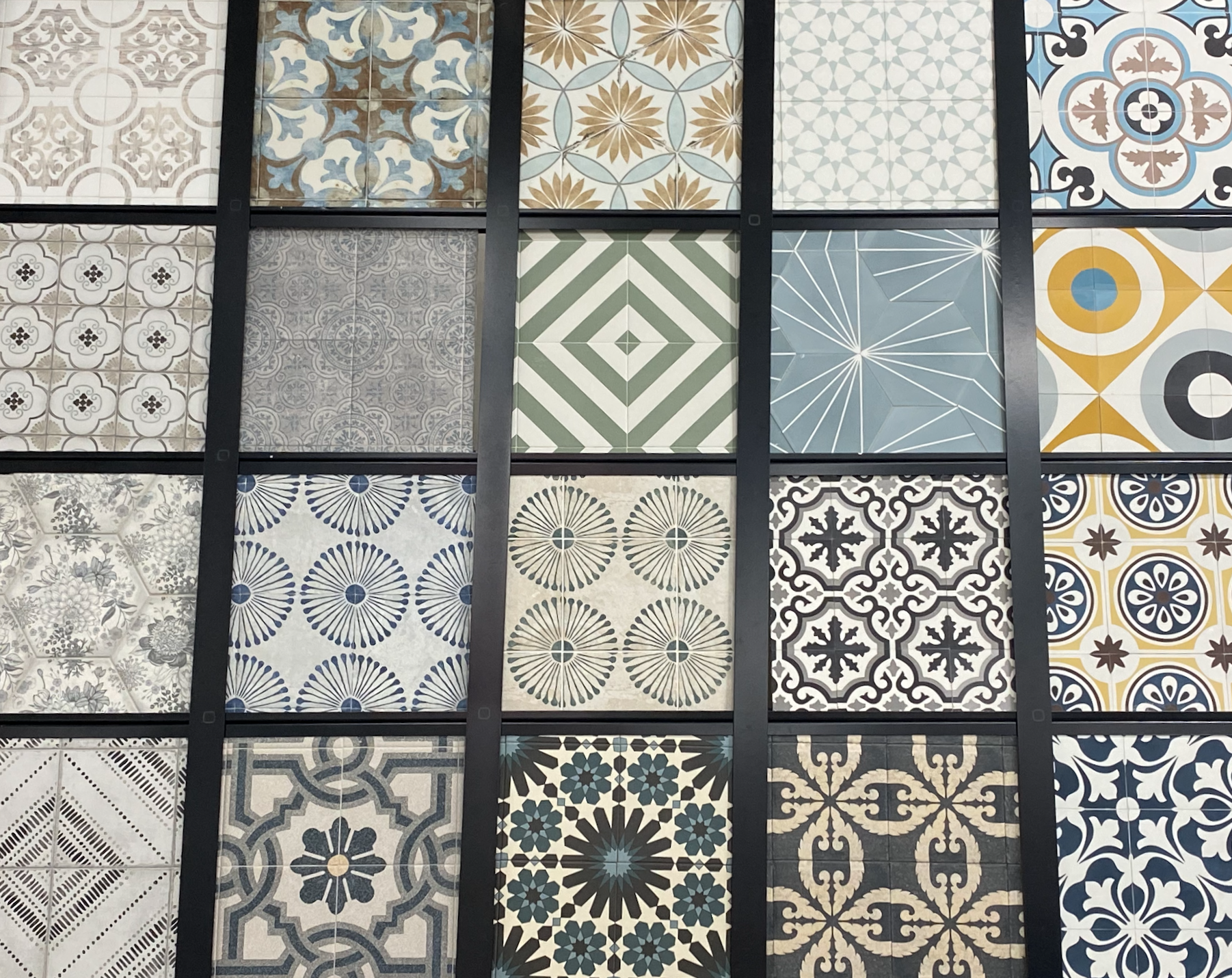
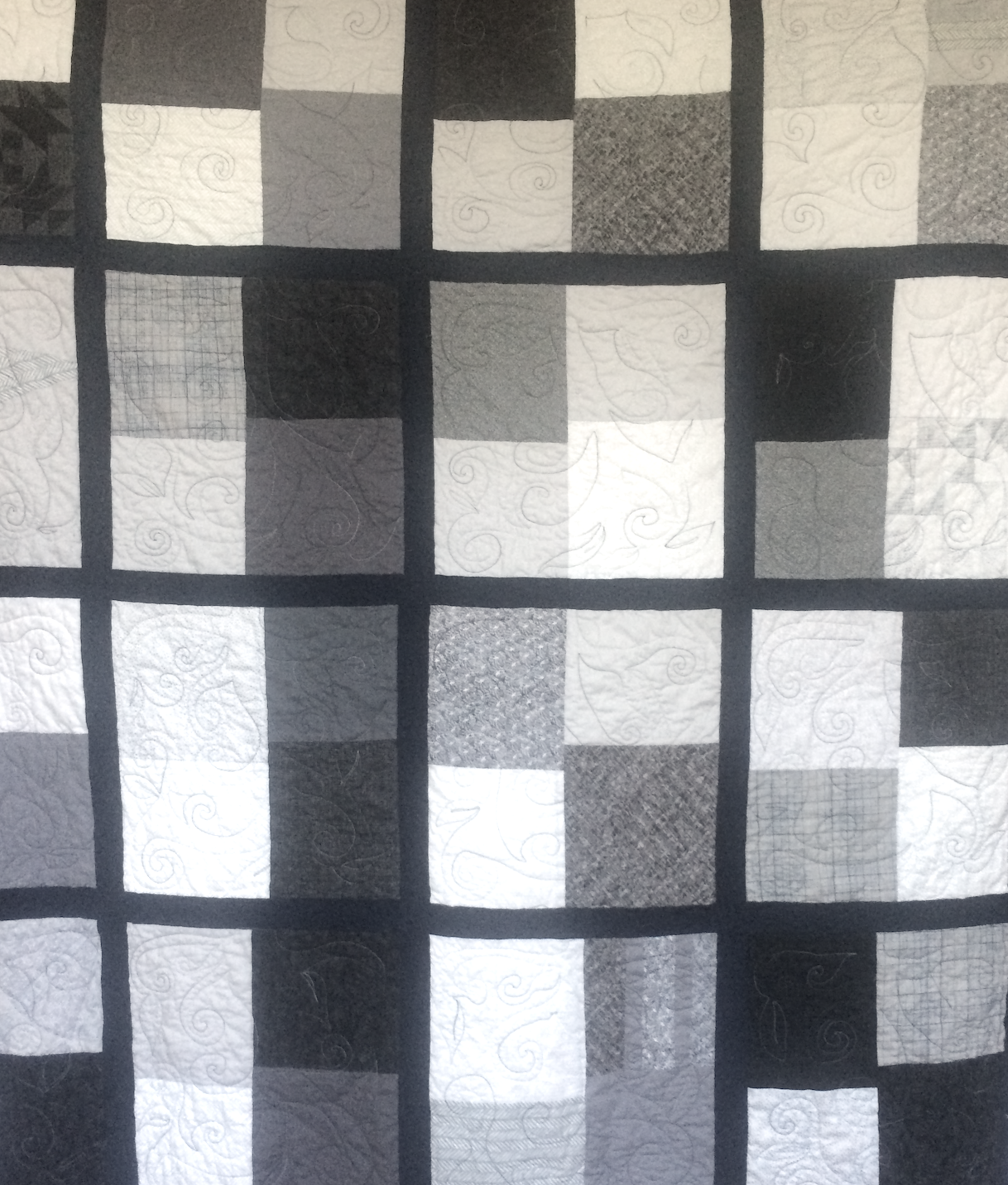
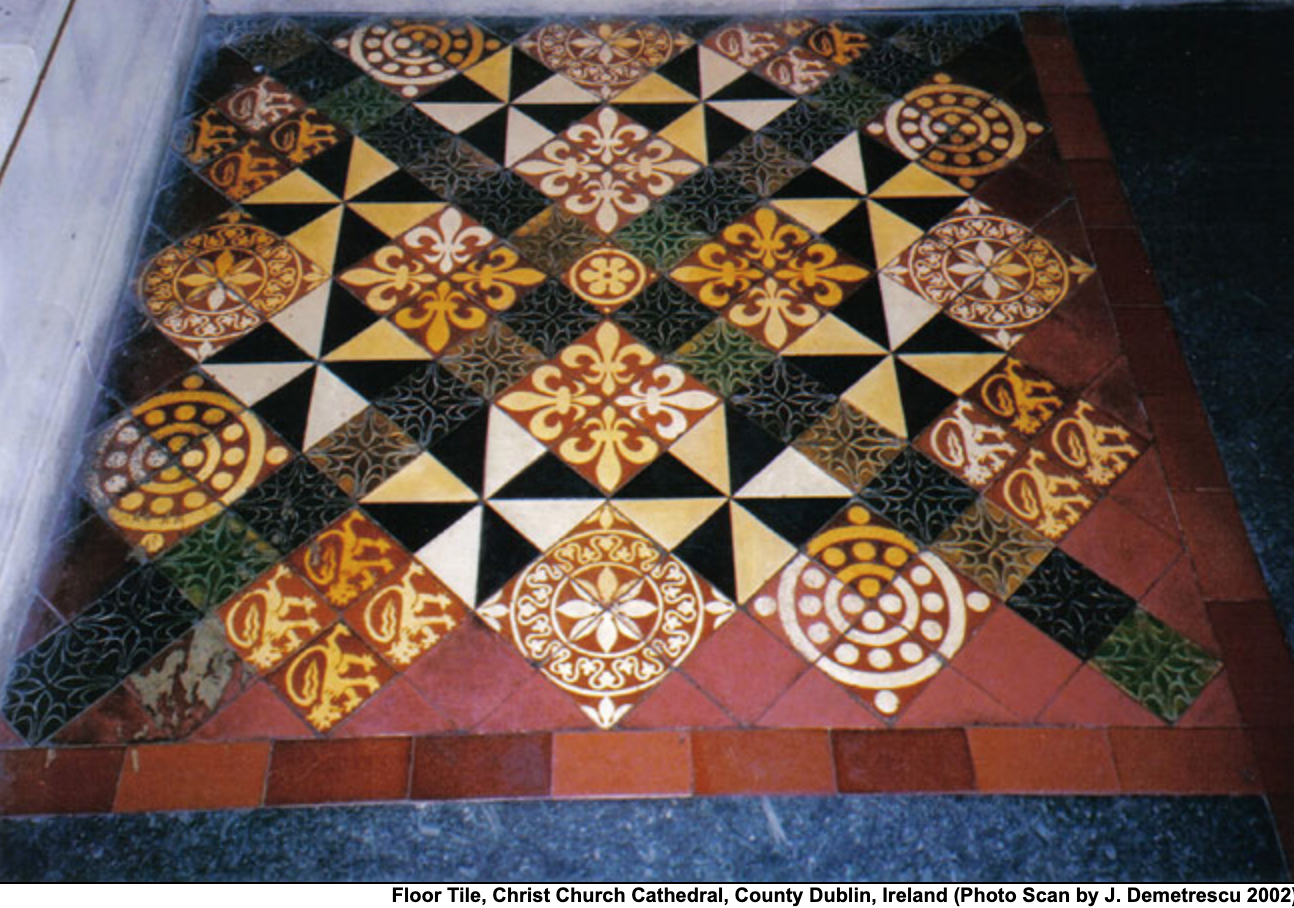
Inspiration for quilts can come from many places. Floor tiles through the ages have proven to be some of the most decorative features of many civilizations. Tile is durable art to walk on. Check out these tiles and quilts:
Pictured below is a floor in Christ Church Cathedral, Dublin Ireland and is featured on the website Saints and Stones. It looks as though it could decorate a bed if it were made of cloth.
In the 1930’s and 1940’s, many women had tight budgets with families to raise. Keeping them all fed and clothed was no small feat. It sounds like a familiar story for many of today’s families.
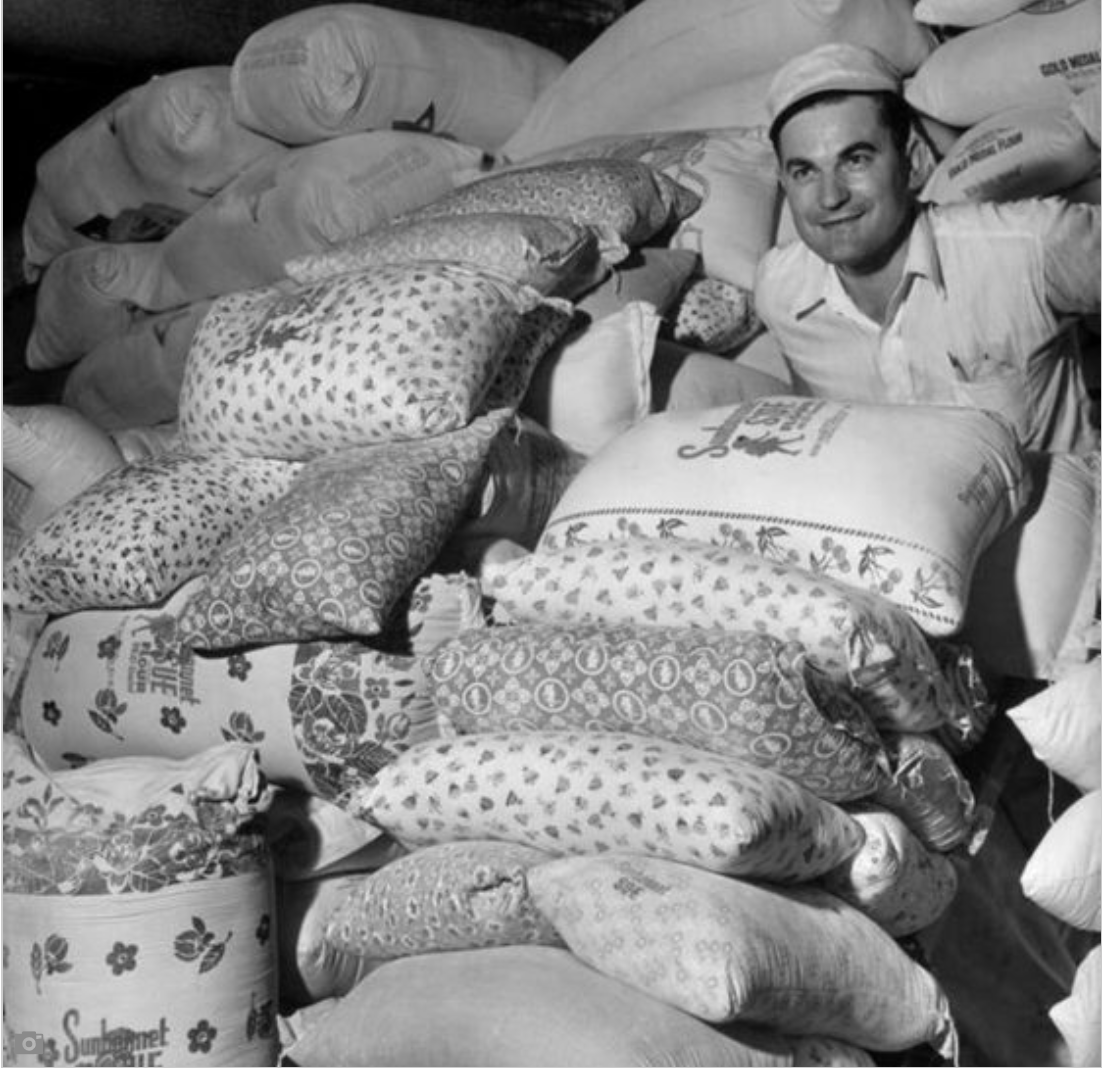
Some differences between then and now include the advent of fast and frozen foods which didn’t exist in the 30’s, also ready-to-wear clothes (that we rely on now) were very expensive 90 years ago. Cooking and sewing were valuable and needed skills in the 30’s and 40’s. Grain mills put their flour and meal in fabric sacks. What better use of them than to make needed clothing when empty?
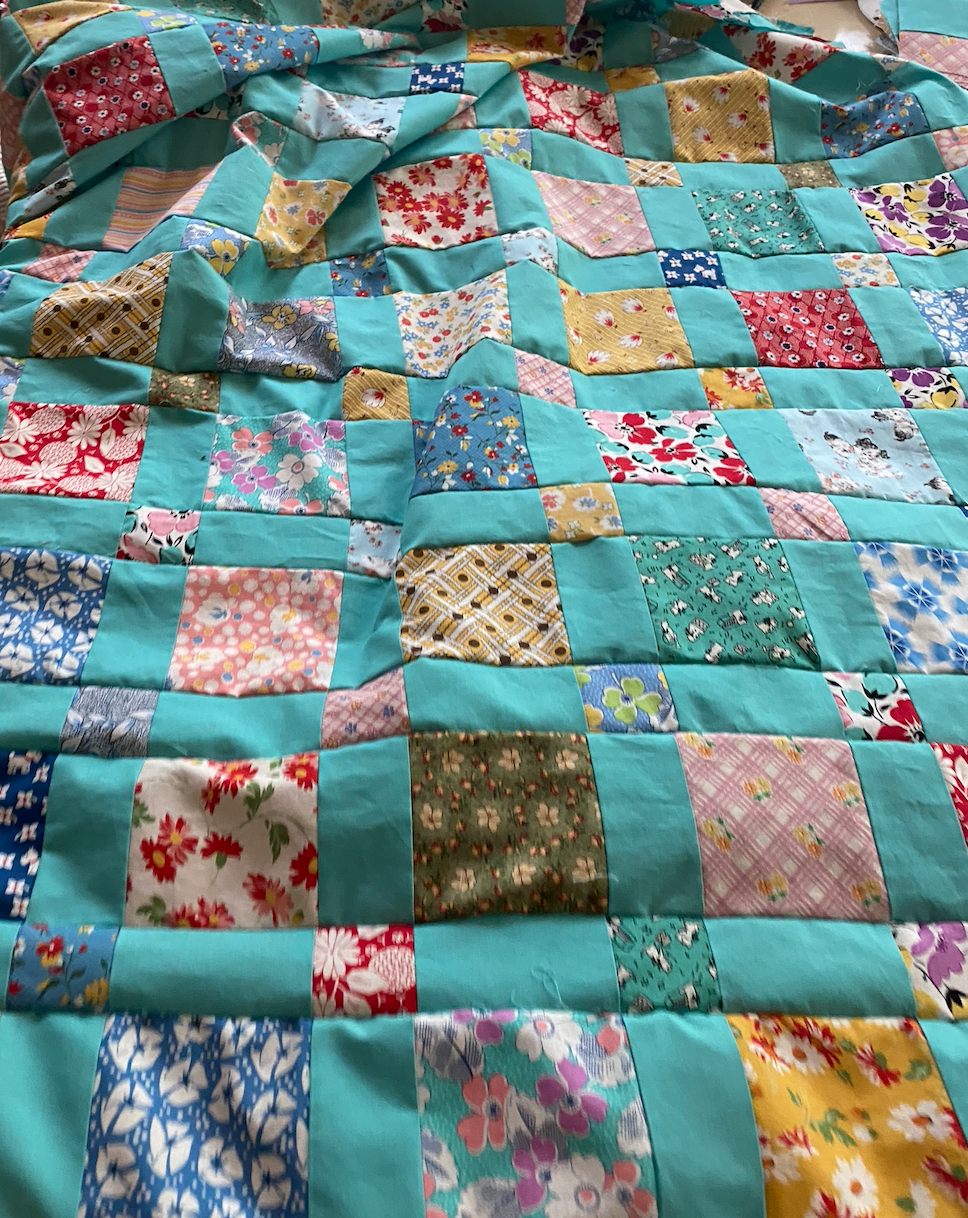
When the flour manufacturers became aware that the sacks were serving double duty, they began to print designs on them. Today, many fabric companies sell reproductions of those patterns.
At the last STASHING SISTERS Quilt Retreat, Helen also shared some thoughts about how we look at life and those around us.
Perspective is one things that colors how we see things. Perhaps we need to allow for the idea of a different perspective to give us greater understanding and clarity.
Helen told the following story to illustrate how perspective can expand our views.
Conversation in the Womb – A Parable of Life After Delivery
In a mother’s womb were two babies. One asked the other: “Do you believe in life after delivery?”The other replied, “Why, of course. There has to be something after delivery. Maybe we are here to prepare ourselves for what we will be later.” “Nonsense” said the first. “There is no life after delivery. What kind of life would that be?”
The second said, “I don’t know, but there will be more light than here. Maybe we will walk with our legs and eat from our mouths. Maybe we will have other senses that we can’t understand now.”
The first replied, “That is absurd. Walking is impossible. And eating with our mouths? Ridiculous! The umbilical cord supplies nutrition and everything we need. But the umbilical cord is so short. Life after delivery is to be logically excluded.”
The second insisted, “Well I think there is something and maybe it’s different than it is here. Maybe we won’t need this physical cord anymore.”
The first replied, “Nonsense. And moreover if there is life, then why has no one has ever come back from there? Delivery is the end of life, and in the after-delivery there is nothing but darkness and silence and oblivion. It takes us nowhere.”
“Well, I don’t know,” said the second, “but certainly we will meet Mother and she will take care of us.”
The first replied “Mother? You actually believe in Mother? That’s laughable. If Mother exists then where is She now?”
The second said, “She is all around us. We are surrounded by her. We are of Her. It is in Her that we live. Without Her this world would not and could not exist.”
Said the first: “Well I don’t see Her, so it is only logical that She doesn’t exist.”
To which the second replied, “Sometimes, when you’re in silence and you focus and you really listen, you can perceive Her presence, and you can hear Her loving voice, calling down from above.”
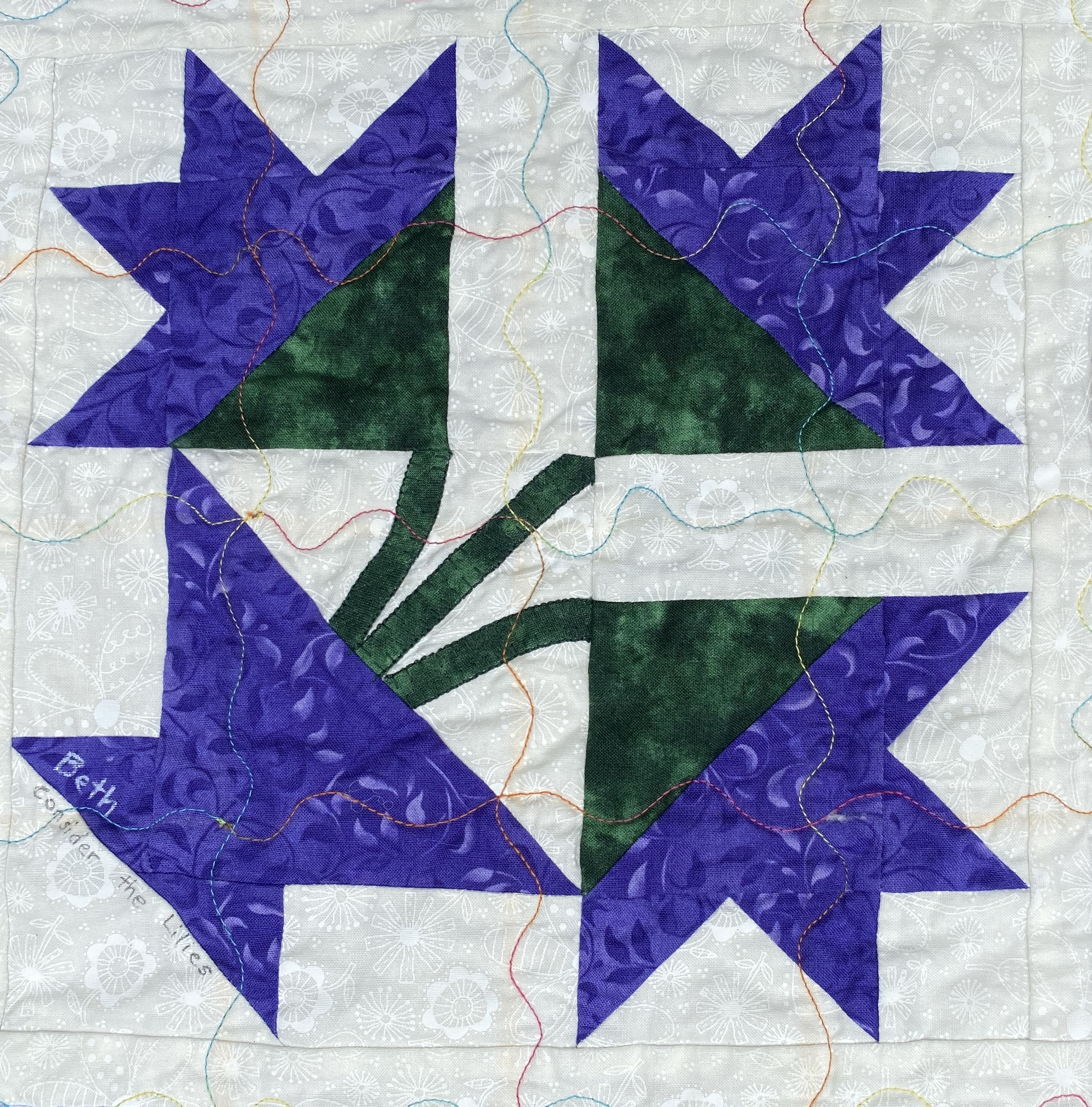
There has been a lot of interest in a lovely block Bridget made several years ago. This is the Log Cabin Bear Paw Block.
The pattern comes from the book “Log Cabin Fever: Innovative Designs for Traditional Blocks”. It can be bought on Amazon. It is a book from “That Patchwork Place” Martingale & Company.
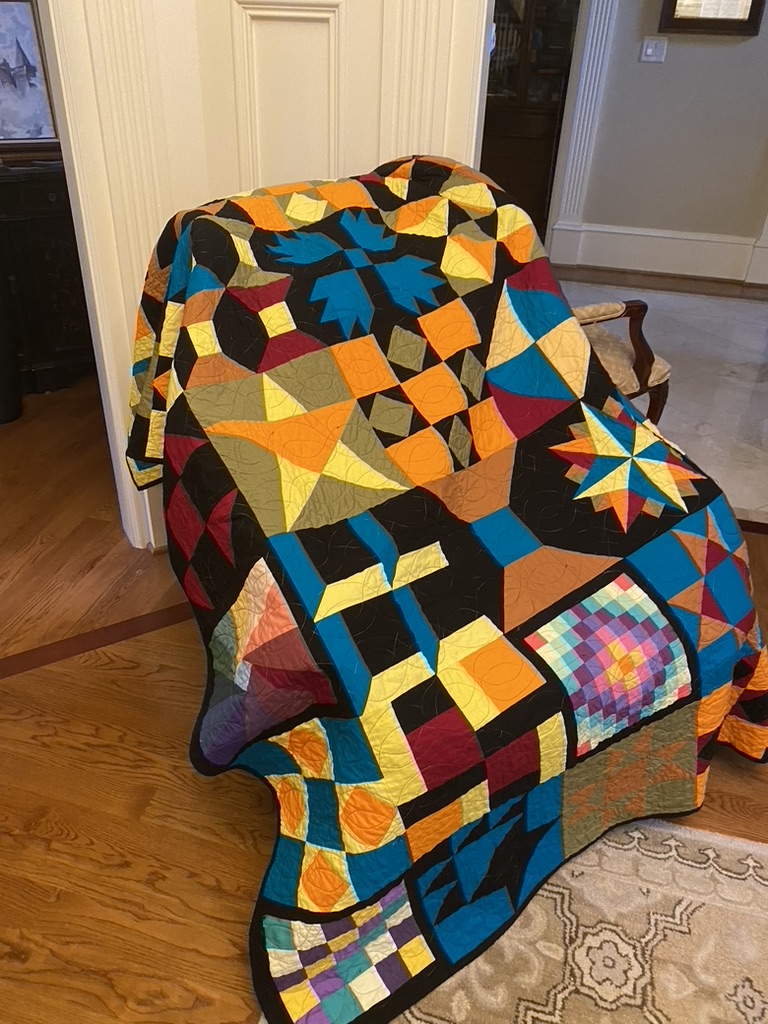
These blocks were old – maybe 20 years old and I made them. The math doesn’t seem to work out since I’ve been 25 for the last 20 years! Moving on, the point of this story is that these blocks were made and exchanged with a group of quilting friends. . . an Amish flavor with solid colors. They had seen a couple of moves, several closets, and still persisted. They found me several months ago when I was in a “get some projects finished” mental state of mind. So here they are. Backed with black Kona cotton which was no small feat. Since the pandemic, the elusive black Kona was as hard to find as snipes at a girl’s camp. The blocks are still alive and vibrant. Thank you sisters for having made colorful memories with me. Ginger







 Stashing Sisters